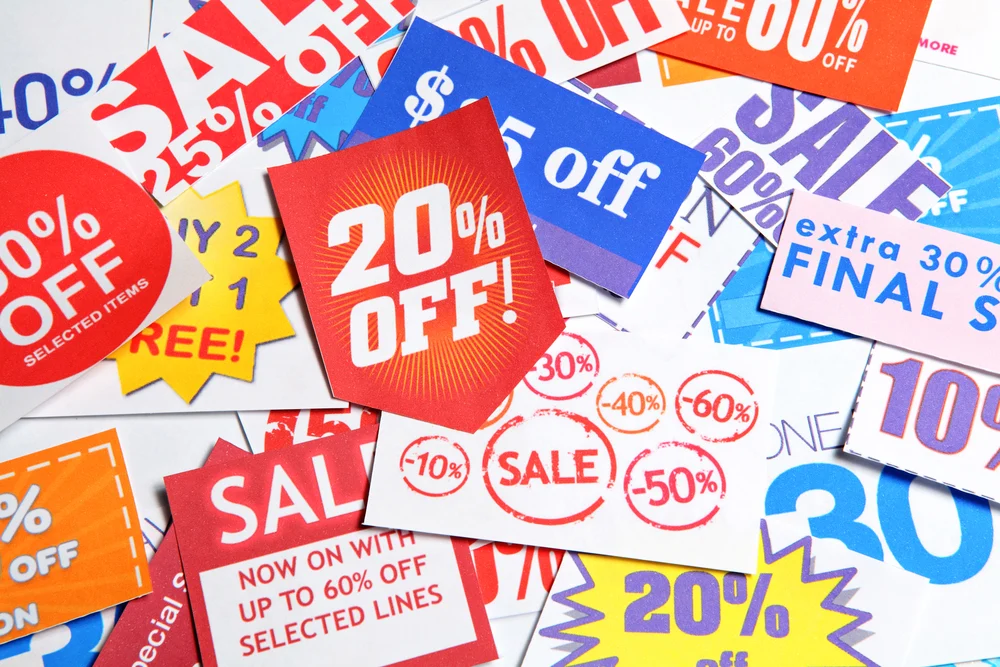
Online discounts can make shopping more affordable, but not every sale label represents a genuine saving. A product may appear heavily discounted while the actual price reduction is much smaller than it seems.
Before clicking the purchase button, take a few simple steps to check whether you’re really getting a good deal.
1. Compare Prices Across Different Stores
One of the easiest ways to verify a discount is to compare the same product across multiple retailers.
Check the current prices from several sellers and make sure you’re comparing the same model, size, quantity, and specifications.
A discount looks more meaningful when the final price is competitive with other available options.
2. Check the Product’s Price History
A retailer may display a product as “50% off” based on a previous or reference price.
Looking at the product’s pricing history can help you understand whether the current price is actually unusual or whether similar prices have been available before.
Price-tracking tools and historical shopping data can be useful for this purpose.
3. Look at the Final Checkout Price
The advertised price isn’t always the amount you’ll actually pay.
Before completing your purchase, check for:
- Shipping charges
- Taxes
- Service fees
- Handling fees
- Minimum-order requirements
- Optional add-ons
Always compare the final checkout total rather than relying only on the headline discount.
4. Read the Terms of the Promotion
Some discounts come with conditions.
For example, a promotion might require you to purchase multiple items, enter a specific coupon code, subscribe to a service, or meet a minimum spending amount.
Read the offer details so you understand exactly how the discount works.
5. Check the Seller
A very low price isn’t useful if the seller isn’t trustworthy.
Before buying, look for clear information about the business, including its contact details, return policy, shipping information, and customer reviews.
Be particularly cautious when a website provides very little information about who operates it.
6. Don’t Let a Countdown Rush Your Decision
Some shopping websites use countdown timers or messages suggesting that an offer is about to disappear.
These messages can create pressure to buy immediately. If the purchase isn’t urgent, take a moment to compare the deal and review the product before making a decision.
A genuine bargain should still make sense after you’ve had time to check the details.
7. Consider the Product’s Quality
A low price doesn’t automatically mean good value.
Check product specifications, warranty information, customer reviews, and return policies. A cheaper product may not represent a saving if it doesn’t meet your needs or has limited support.
8. Check the Return and Refund Policy
Before placing an order, understand what happens if the product isn’t right for you.
Look for information about:
- Return time limits
- Refund methods
- Return shipping costs
- Exchange policies
- Damaged or defective products
Knowing these details can help you avoid unexpected problems after purchase.
Final Thoughts
A large percentage-off label can be tempting, but the real value of an online deal depends on the actual price, product quality, seller, and terms of the offer.
Take a few minutes to compare prices, check the final cost, review the seller, and read the promotion details. A little research can help you distinguish a genuine bargain from a discount that only looks impressive.